
Welcome to CELF
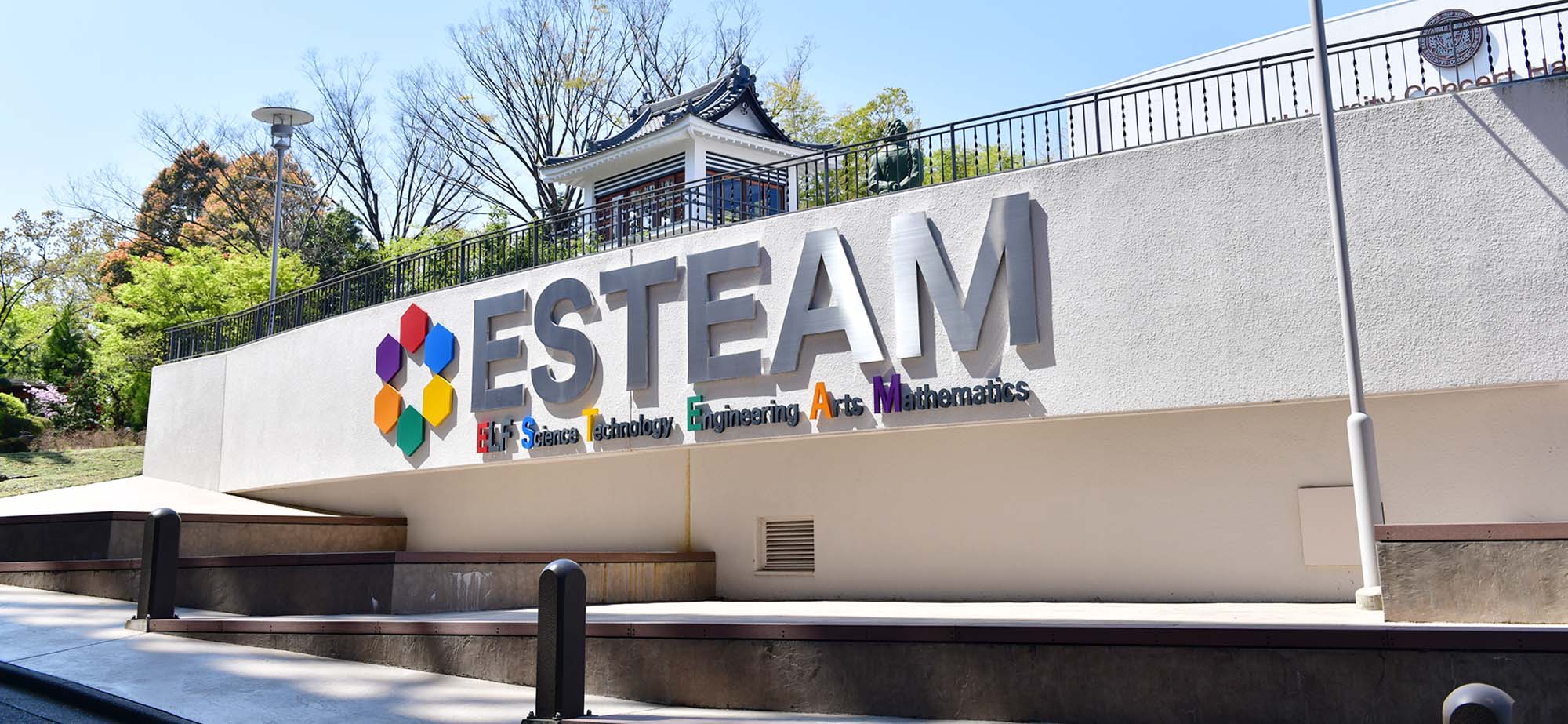
Tamagawa University’s Center for English as a Lingua Franca (CELF) was established in 2014 to apply ELF research to teaching English (and teaching through English) for students across the humanities and sciences.

言語選択
Welcome to CELF
Tamagawa University’s Center for English as a Lingua Franca (CELF) was established in 2014 to apply ELF research to teaching English (and teaching through English) for students across the humanities and sciences.
Assistant Professor Yuta Mogi was awarded a Best Poster Award at the 21st AILA World Congress (Kuala Lumpur, Malaysia, August 2024)
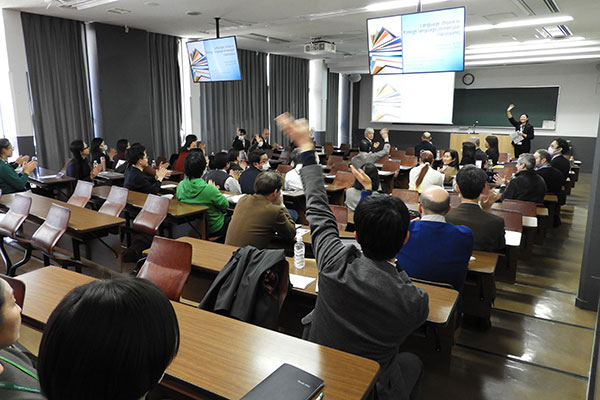
2024 CELF Forum: Commemorating the 10th Anniversary of the Founding of the CELF
Tamagawa University Professors present at the 21st Asia TEFL International Conference (Daejeon, South Korea, August 2023)
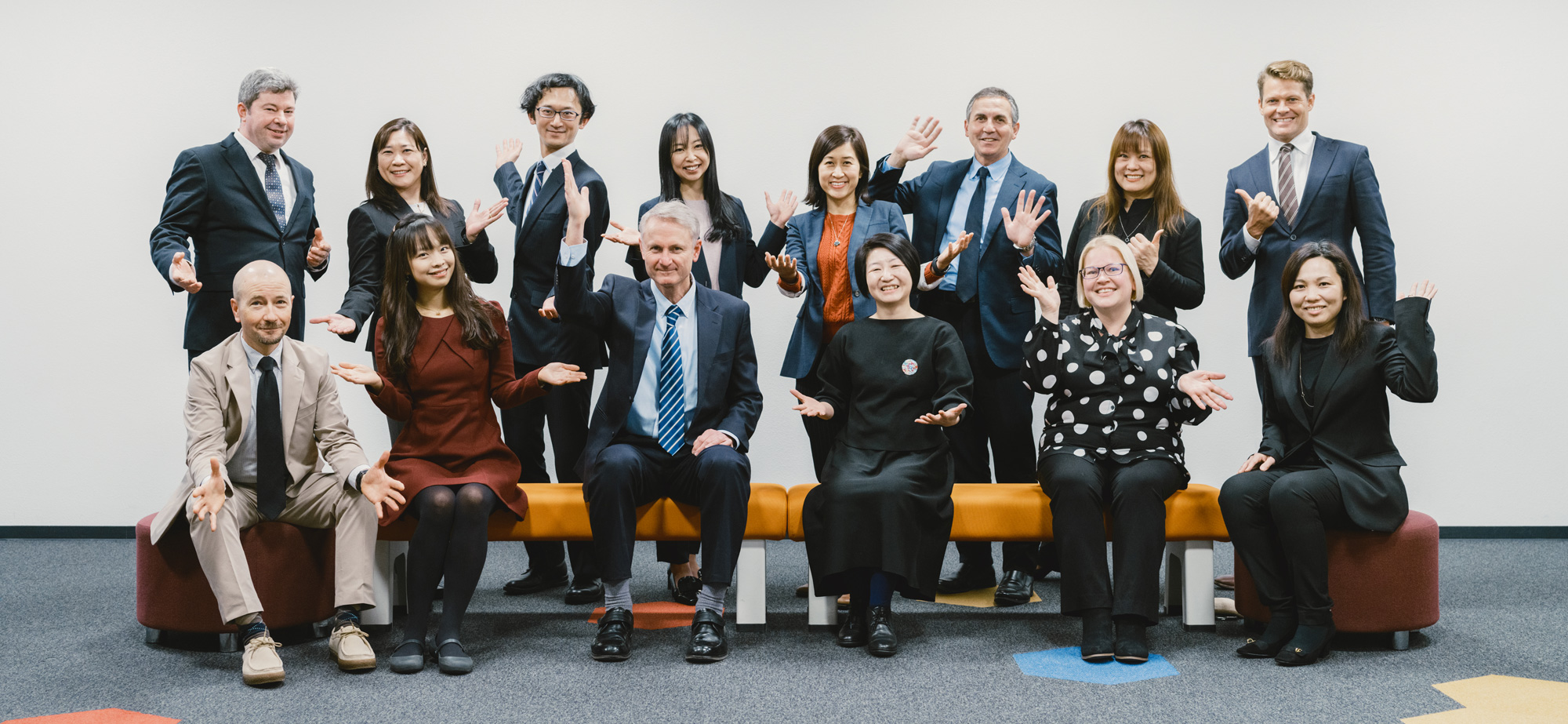
Tamagawa University’s Center for English as a Lingua Franca (CELF) is among the world’s first centers dedicated to the advancement of ELF research and pedagogy. Its teaching staff come from diverse cultural and linguistic backgrounds.
From the Director
Faculty
History
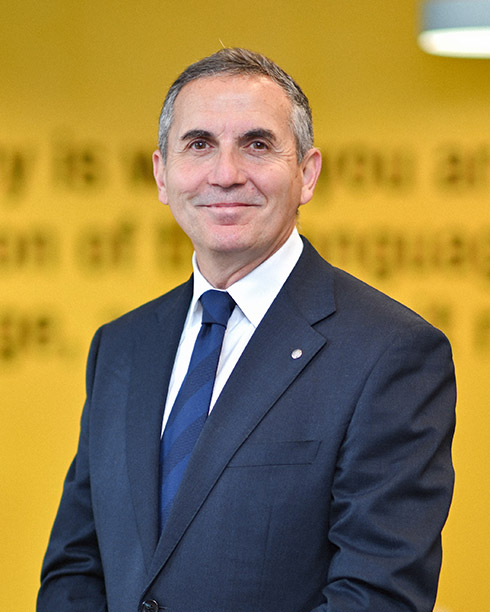
Blagoja Dimoski
Director, CELFWelcome to the Center for English as a Lingua Franca (CELF) at Tamagawa University. Since its establishment in 2014, CELF has been guided by the conviction that meaningful English proficiency does not require imitation of so-called ‘native speakers’. Rather, it emerges through the context sensitive and functional use of language and involves adaptation, accommodation, negotiation, and co-construction of understanding. ...
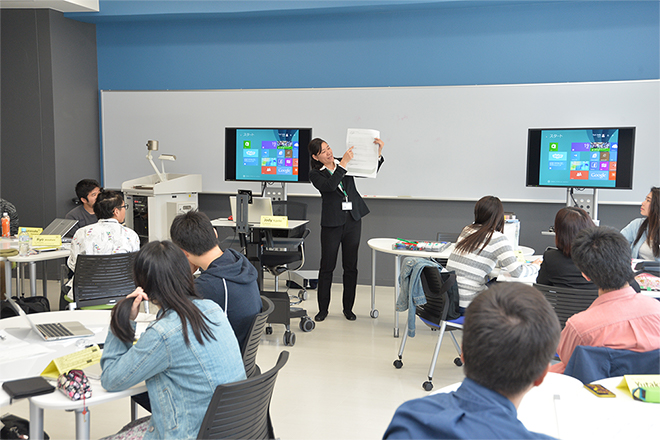
Multilingual faculty members
To our knowledge, Tamagawa University’s Center for English as a Lingua Franca (CELF) is among the world’s first centers to apply ELF research to teaching English and teaching through English for academic purposes. Even though native-speakerism and associated provincialism are strongly ingrained in Japanese society (e.g., Houghton & Rivers, 2013),...
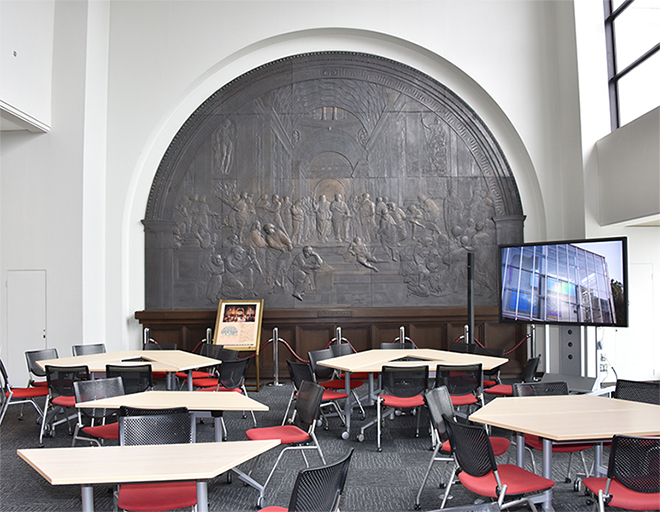
History
Tamagawa University’s English as a Lingua Franca (ELF) program started in 2013, with around 1,000 students at the College of Arts and Sciences and the College of Tourism and Hospitality. The summer and winter ELF sessions, as well as special ELF classes for 12th graders at Tamagawa High School, also started in the same year. Tamagawa University’s Center for English as a Lingua Franca (CELF) was established in the following year, and it has offered English education to an increasing number of students across the humanities and sciences...
The ELF program facilitates meaningful engagement, critical thinking, and effective communication in the context of increasing interdependence among the world's people. English may be regarded as 'belonging' to everyone who uses it, including students who study English as a lingua franca for intercultural and transcultural communication.
The center’s aims include the pursuit of good language teaching practice in general, as per the evolution of the ELF field and according to sound theoretical understandings of the field and related disciplines.
The aims of the ELF program include teaching English for global communication, in which multilingualism is inherent, an endeavor to be realized through the broad guidelines proposed in this page.
Why not meet our students? Interviews were conducted in English and Japanese translations are provided. (The link below will take you to the Japanese version of this website.)
The center’s faculty members have strong research records in ELF and related strands within applied linguistics. They are active in collaborating with each other and sharing ideas and experiences both domestically and internationally.